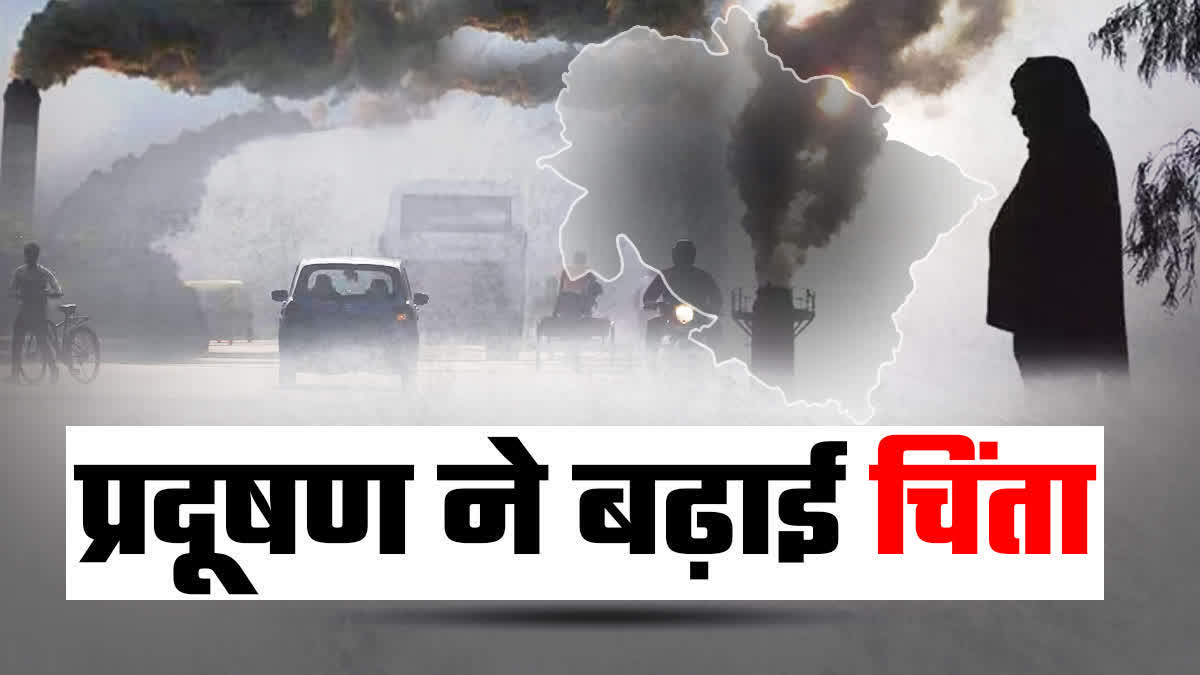
Dehradun: The air quality in the plains of Uttarakhand is also becoming toxic. The situation is worst in the capital, Dehradun. Here, the Air Quality Index (AQI), which is making breathing difficult, is continuously worsening before the New Year. The situation is such that in December, the AQI crossed 300 several times, which is considered a very serious category for health. The air pollution situation is continuously deteriorating before the New Year, which is a major concern for everyone.
Dehradun’s AQI is alarming: After Delhi, Dehradun, the capital of Uttarakhand, is also grappling with the crisis of poor air quality. In Dehradun, known for its clean and pure air, the Air Quality Index (AQI) is consistently being recorded at alarming levels.
Dehradun’s AQI crosses 250: On Wednesday, Dehradun’s AQI was recorded at around 273, while on Monday night it had crossed 300. This situation is pushing the city into a very poor category, which indicates a serious threat to the health of the general public. On Wednesday, along with the poor AQI, PM 2.5 was recorded at 191 and PM10 at 253.
The city’s air is continuously deteriorating: Dehradun is generally known for its clean air and pleasant weather. Every year, the influx of tourists increases significantly before the New Year. Tourists going to hill stations like Mussoorie arrive in large numbers in Dehradun. But this time, in the month of December itself, the city’s air is continuously deteriorating, which has increased the concerns of both locals and tourists.
At the beginning of December, Dehradun’s AQI had crossed 300. After that, there was a slight improvement in the situation for a few days, but now the AQI has once again crossed 200. Several times, this figure is being recorded again near or above 300. Seasonal conditions are a major reason behind this. The atmosphere is currently stable, preventing the air from rising, and causing pollutants to accumulate in the city.
Lack of rain exacerbates the problem: In addition, the prolonged lack of rain means that dust and pollutant particles in the air are not settling on the ground, further increasing air pollution. In this regard, Chief Environment Officer PC Joshi says that increased tourist activity before the new year is also a major cause of pollution. The use of campfires, coal stoves for cooking, and bonfires in the open has increased rapidly, releasing smoke and harmful gases into the air.
The administration is making continuous efforts to raise awareness among the public. Through awareness programs, people are being educated about which daily activities are harming the environment and how serious the impact on health and nature could be in the future. However, until collective responsibility is understood, this threat to Dehradun’s clean air will persist.