Dehradun: The demand to ban the entry of non-Hindus into the ancient religious sites in Uttarakhand is steadily intensifying. While the demand to ban the entry of non-Hindus at Har Ki Pauri in Haridwar and other religious sites has been ongoing for a long time, the Badrinath-Kedarnath Temple Committee (BKTC) has also decided to ban the entry of non-Hindus into all the temples under its jurisdiction. The BKTC is going to pass a resolution to this effect in its upcoming board meeting. Chief Minister Pushkar Singh Dhami has also issued a statement on this entire matter.
Uttarakhand has thousands of ancient temples. This is why Uttarakhand is called Devbhoomi (Land of Gods). Now, the demand to ban the entry of non-Hindus into the religious and ancient temples in Uttarakhand is gaining momentum. Initially, the Ganga Sabha raised the demand to ban the entry of non-Hindus at Har Ki Pauri in Haridwar. The Ganga Sabha cited the 1916 bylaws of the Haridwar Municipal Corporation, emphasizing that these bylaws have been in effect since the British era. Along with the Ganga Sabha, numerous Hindu organizations and individuals are demanding a ban on the entry of non-Hindus at Har Ki Pauri in Haridwar.
The demand to ban the entry of non-Hindus at Har Ki Pauri in Haridwar is now gradually spreading to other religious and ancient sites across the state. After the Ganga Sabha, the chairman of the Badrinath-Kedarnath Temple Committee also emphasized that the entry of non-Hindus will be banned at Badrinath and Kedarnath Dham, as well as in approximately 52 temples under the BKTC. A resolution will be brought in the upcoming BKTC board meeting to this effect. Through this resolution, the entry of non-Hindus will be prohibited in all the temples under the BKTC.
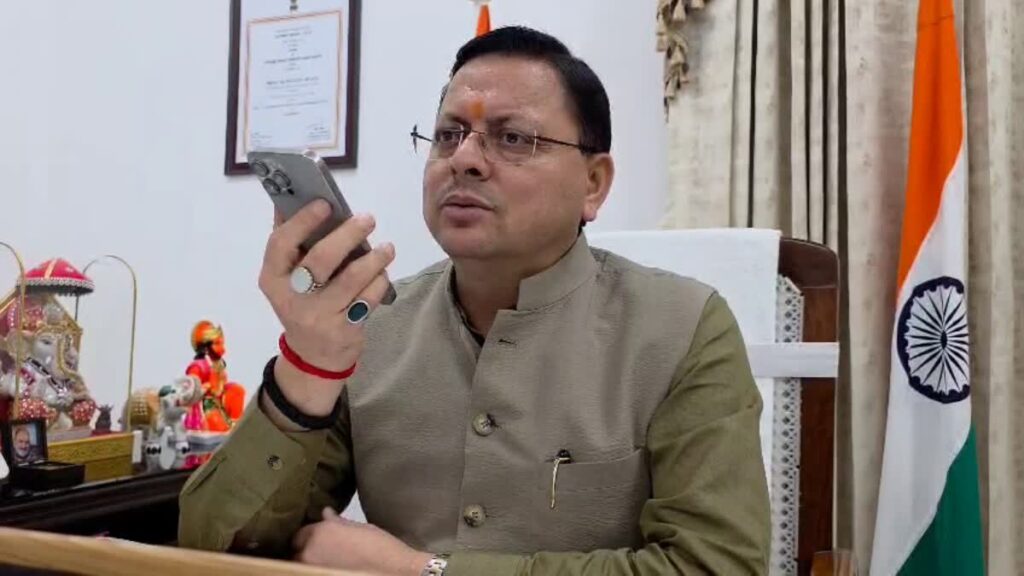
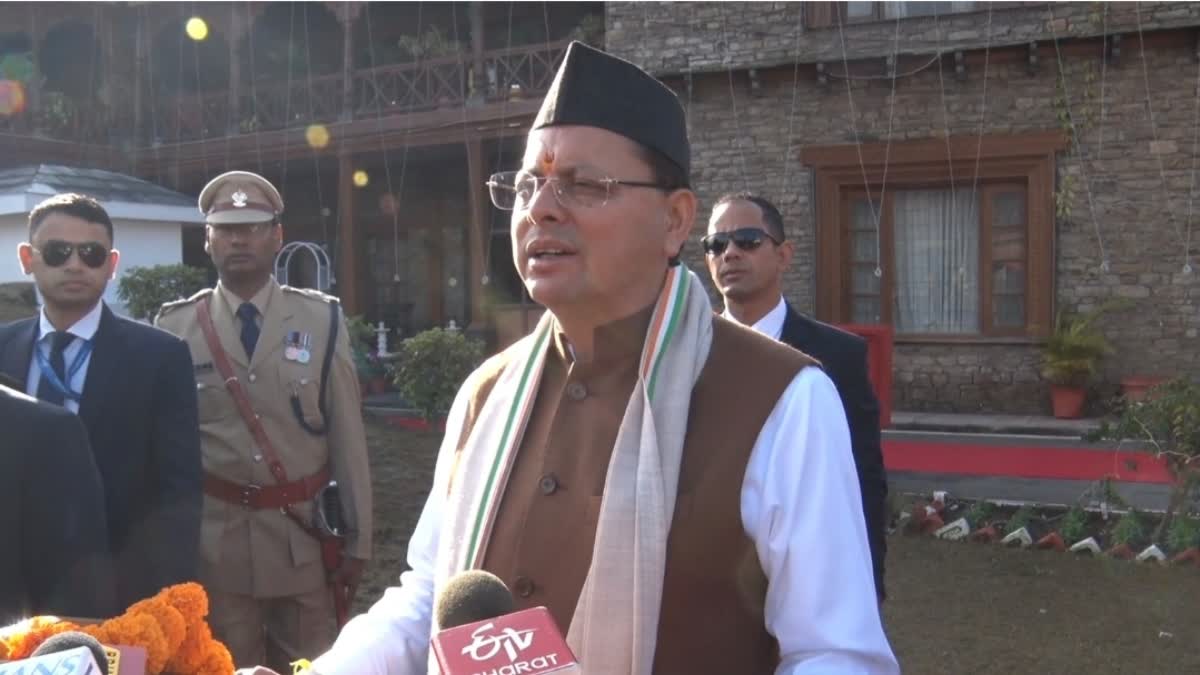
On this, Chief Minister Pushkar Singh Dhami said that the government has a clear stance. All the religious sites, ancient sites, and places of worship in the state are managed by various religious organizations, including the Tirth Sabha, Ganga Sabha, Kedar Sabha, and the Badri-Kedar Temple Committee, as well as revered saints. These are the people who manage the religious sites. Therefore, the government will proceed according to their opinions and views. These places are of great historical and religious significance. The government is studying the laws that were in place regarding these sites in the past. The government will proceed based on those laws.