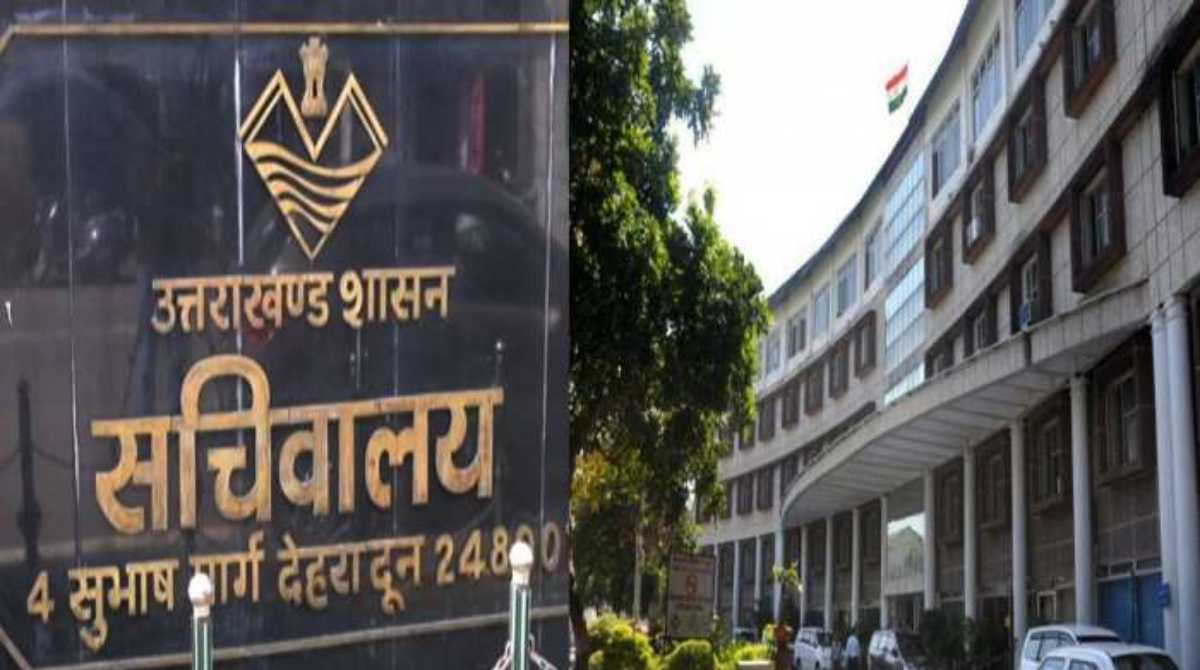
Dehradun: An order has been issued for state employees and departmental employees in Uttarakhand. The government has issued a ban on employee strikes, preventing them from striking for the next six months.
In a significant move aimed at ensuring the smooth functioning of the state’s administrative machinery, the Uttarakhand government has imposed a ban on strikes in state services for the next six months. A notification to this effect was issued by Personnel Secretary Shailesh Bagoli on Wednesday, clarifying that the order will be effective immediately. According to the notification, this decision has been taken in the public interest under Section 3(1) of the Uttar Pradesh Essential Services Maintenance Act, 1966 (as in force in the state of Uttarakhand). The government believes this step is necessary to ensure the continuity of the government machinery and the uninterrupted delivery of public services, as recent strikes and protests have occurred in several departments, potentially disrupting government work.
This government decision will apply to all services considered state-owned. In this context, the notification also clearly indicates that employees working through the UPNL are not exempt from this decision. A large number of contract and outsourcing employees are deployed through UPNL in various departments across the state. These employees have frequently threatened mass leave or work boycotts to press their demands. This government decision will now effectively prevent potential strikes or walkout movements by UPNL employees.
In the past few months, there have been protests by employees working in health, energy, transport, corporations, and technical services over demands such as pay scales, service security, and regularization. The government has cited these demands as obstacles to public services, citing the need to protect essential services.
The government argues that the state is facing significant challenges, including development projects, preparations for Kumbh 2027, digital governance, and public service delivery. Consequently, any strike could cause serious inconvenience to the public. Therefore, this six-month moratorium is an attempt to ensure administrative stability. This ban, issued by the government under the Act, will remain in effect for the next six months. During this period, legal action will also be possible against those who strike.